
So, you’re anxious. Or maybe you’re not. Maybe you’re curious about people who are and want more understanding of what they may be going through. That’s fair.
To learn more about this mental health condition, read on to discover its core characteristics, its causes, treatments, and some different types of anxiety that people have.
What is anxiety?

Anxiety is a commonly experienced emotion that is accompanied by tense feelings, worried thoughts, and a consistent state of fear which may even result in physiological characteristics such as heightened blood pressure and heart rate, rapid breathing, fatigue, digestive issues, and nausea, among other symptoms.
Though it is normal to feel angst in certain life situations, anxiety refers to a condition that is extreme enough to disrupt normal daily life activities.
Contrary to what most people might think, anxiety disorders are the most common mental health issue that is experienced by global standards. According to the World Health Organization (WHO), 1 out of 13 people around the world are personally impacted by anxiety disorders.
Different types of anxiety
Generalized Anxiety Disorder

Generalized Anxiety Disorder (GAD) is a condition in which individuals experience fear, anxiety, and worry on an everyday basis. They tend to think of the worst thing that can possibly happen in any given situation. Their worries may often come to life for no reason and are very hard for the person to control. Because of this, it’s not uncommon for GAD to negatively impact sleep, diet, work, and relationships.
Social Anxiety Disorder

Social Anxiety Disorder is a disorder that in particular is concerned with social situations. People suffering from it feel an overbearing sense of discomfort, self-consciousness, and worry regarding how they interact with others and they might be perceived. Worst fears might be humiliation or judgement from other people. For those who suffer from this type of anxiety, they may feel most vulnerable when they are meeting people for the first time, dating, public speaking, or making small talk.
One type of social anxiety is Selective Mutism. This occurs when children refuse to speak in public places such as schools or other environments, even though they may speak normally at home.
Panic Disorder

Panic Disorder is a condition characterized by an intense fear that occurs unexpectedly and turns into a panic attack. People who experience a panic attack may feel physiological symptoms such as chest pain, heart palpitations, choking sensations, shaking, and body sweats. It can be a traumatic experience as people who face it often worry that they are going to faint or even die, but really, their fight or flight mechanism is turned on high.
Phobias

A phobia is a type of irrational fear that causes intense anxiety and can lead to panic attacks. Phobias may cause people to possess an inappropriate amount of fear from situations that others would consider to be normal or not a big deal.
Types of phobias include Agoraphobia which is the fear of being trapped somewhere with no way to escape. For some people this might be on a plane or in a crowded place.

Other phobias include Claustrophobia which is the fear of being in tight spaces (ex. in an MRI machine or in a bathroom stall), Mysophobia which is the fear of germs and bacteria, and the list goes on and on.
Characteristics of anxiety
Aside from the physical symptoms that may come on with anxiety, the mental effects include feeling tense and uncomfortable, experiencing depression, possessing a sense of impending doom or worry that something bad is bound to happen, unconsollable nervousness, desperately requiring reassurance, and being worried that people are always watching. Some individuals may also experience derealization or depersonalization.
Causes of anxiety
Present day to day concerns

Life is tough and many situations that are faced can cause anxiety to occur or worsen. This may be financial stressors, drama with family members, romantic relationship struggles, personal health issues, or stress from work. When the COVID-19 pandemic happened, that was a very stressful time that caused anxiety for people all over the world.
Trauma from childhood

Past traumas can trigger anxiety issues for some people. Whether it was losing a loved one at a young age, physical, emotional, or sexual abuse, or watching something traumatic occur, anxiety can certainly take form. In this case, anxiety can come from your brain attempting to cope from the painful memories.
When you’re used to a cycle of chaos especially, the brain is conditioned to expect more negative experiences and this results in reoccurring anxiety in anticipation for bad things to continue happening.
Drugs, alcohol, and medicines

Anxiety may also be caused by drugs, alcohol consumption, or certain medicines, whether prescribed or over-the-counter.
Biology
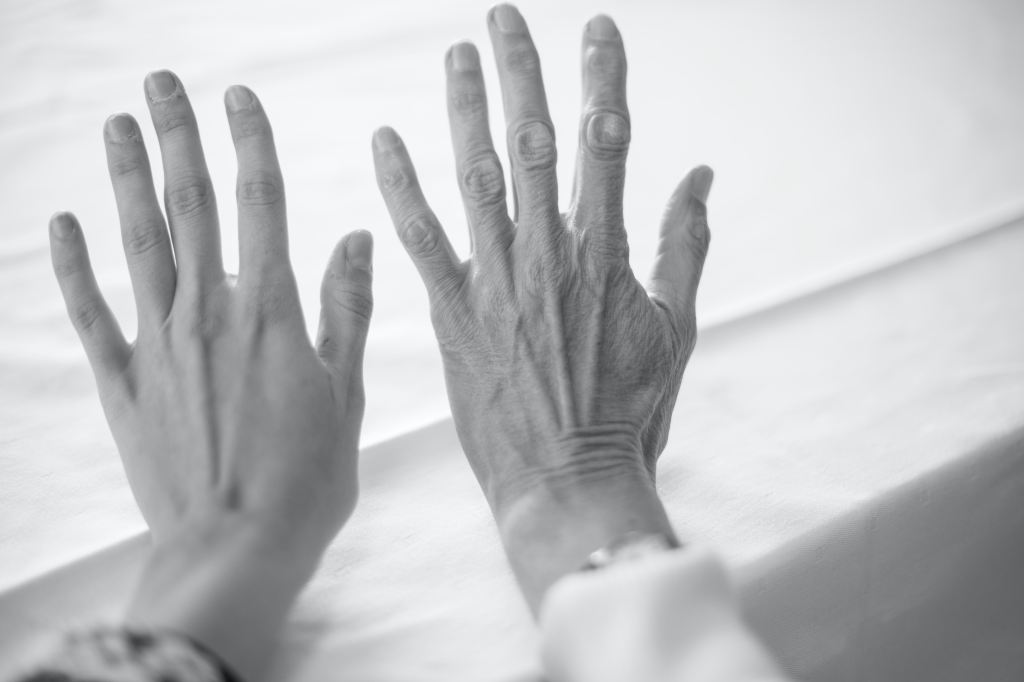
There is research that suggests that brain chemistry and genetics play a huge part in the development of anxiety. The imbalance of neurotransmitters may be to blame. Examples include dopamine, norepinephrine, serotinin, and GABA.
For instance, low levels of serotinin have correlated with anxiety and depression which makes sense since it has to do with mood. Low levels of dopamine as well can have an effect as it has to do with a person’s amount of energy. Norepinephrine is affiliated with fight or flight responses from stress and GABA has to do with reacting from overstimulation of the brain.
According to research, a person is more likely to suffer from anxiety if a close family member struggles with it. A study conducted in 2016 demonstrated that particular genes may be affiliated with GAD, social anxiety, and panic disorder.
Treatments for anxiety

Treatments for anxiety may include certain kinds of therapy such as coginitive behavioral therapy, support groups, medications, or all of the above. Many people may also find solace in their faith like I do.
Praying and journaling get me through the hard days when I’m coping with anxiety, as well as the love and support from my family and friends. No matter what, there is hope for anxiety and whoever is facing it can certainly rise from the deep and conquer their hardship.

 Rising from the Deep
Leave a comment